

Are Adjustable Bases Worth It? Benefits, Drawbacks & Fit

Updated: 4 days ago

Adjustable bases have moved from hospital rooms and late-night television commercials into ordinary bedrooms. They can improve comfort for the right person, but they are not an automatic upgrade everyone needs. After years of selling mattresses and sleeping on an adjustable base myself, my honest answer is simple: buy one for the positioning benefits, not for the gadgets.
Quick Answer: Is an Adjustable Base Worth the Money?
An adjustable base is often worth it if you deal with lower-back discomfort, nighttime acid reflux, snoring, leg swelling, or difficulty getting comfortable while lying flat. It can also be valuable if you regularly read, watch television, or work in bed.
If you already sleep comfortably through the night and have a limited budget, put the money into a better mattress and pillow first. A motorized base cannot make a poor mattress supportive or comfortable.
What Is an Adjustable Base?
An adjustable base, sometimes called a power base or adjustable bed frame, lets you raise and lower the head and foot of the mattress with a remote or app. Most modern foam, latex, and hybrid mattresses can flex with the base.
Common features include:
Independent head and foot adjustment
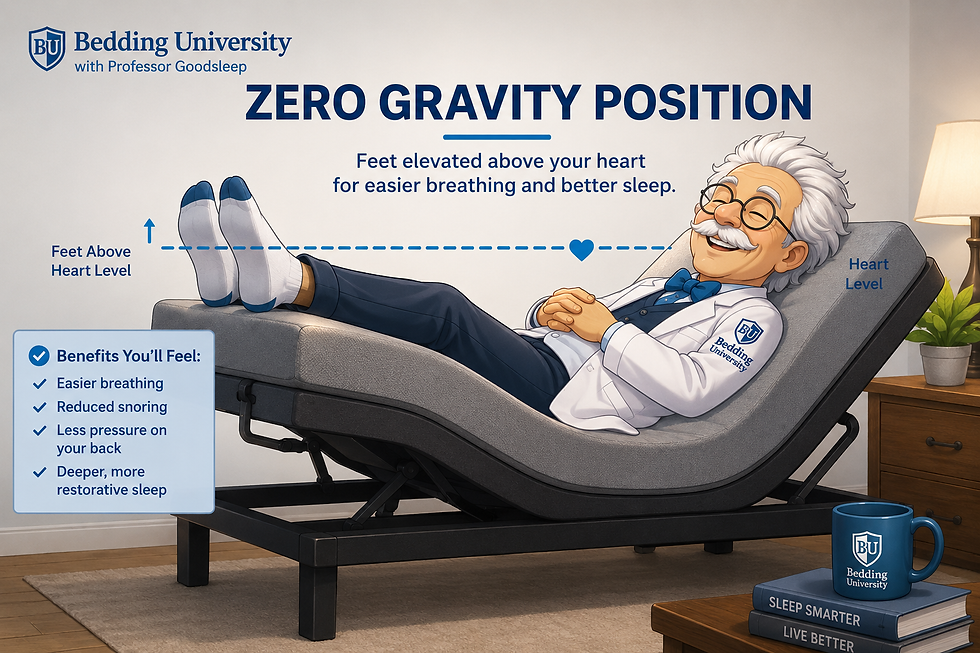
A zero-gravity preset
Memory positions
Massage or vibration modes
Under-bed lighting
USB charging ports
App or smart-home controls
The core benefit is not massage, lights, or charging ports. It is the ability to change your body position without stacking pillows or wedges.

Who Benefits Most from an Adjustable Base?
Back, Shoulder, and Hip Discomfort
Lying completely flat can leave some sleepers feeling pressure in the lower back, shoulders, or hips. Slightly raising the head and knees may help the muscles relax and reduce the arch under the lower back.
The popular zero-gravity position raises both the upper body and legs into a gentle bend. Some people love the full preset, but others find it too aggressive. Start with a small adjustment and let comfort—not the name of the preset—guide you.
Snoring and Sleep Apnea
Raising the head may help keep the airway more open and reduce snoring for some sleepers. It is a positioning tool, not a cure for sleep apnea, and it is not a replacement for CPAP therapy or medical treatment.
For a deeper explanation, read How Does an Adjustable Base Reduce Snoring?.
Acid Reflux and Heartburn
When you lie flat, stomach acid can move upward into the esophagus more easily. Elevating the entire upper body may help gravity keep acid down and reduce nighttime reflux symptoms. Raising the bed works differently from stacking pillows, which can bend the neck and waist without supporting the torso evenly.
Circulation and Leg Swelling
Elevating the legs may improve comfort and help reduce mild swelling after long periods of standing or sitting. Anyone with a diagnosed circulation problem, heart condition, or persistent swelling should ask a medical professional whether leg elevation is appropriate.

Reading, Television, Gaming, and Working in Bed
An adjustable base can turn the bed into a comfortable place to read, watch television, use a laptop, or relax without building a mountain of pillows. Raising the upper body evenly can also reduce the neck strain that comes from propping up only the head.
My Firsthand Experience with an Adjustable Base
I am a big believer in adjustable bases, but not because of the sales pitch. I noticed the difference in my own body.
Once I began sleeping with my upper body slightly elevated and my knees raised, I naturally spent more time on my back instead of grinding my shoulder into the mattress. Within a few weeks, my shoulder pain dropped dramatically. I woke up less stiff and no longer felt as if I had fought the bed all night.
For me, raising the feet only a few inches takes pressure off the lower back while still allowing some movement toward the side. You are not locked into a hospital-bed position; you are simply using gravity differently.
That is why I see a good adjustable base as more than a luxury accessory. It gives you a tool you can fine-tune as your back, shoulders, and hips change from one night to the next. It also turns a split setup into a pretty impressive pair of recliners on movie night.

Who May Not Need One?
You may not get enough value from an adjustable base if:
You already sleep comfortably on a flat mattress
You do not experience back discomfort, reflux, snoring, or swelling
You rarely sit up in bed
Your budget would be better spent improving the mattress or pillow
You move frequently and do not want another heavy item to transport
The unspoken truth is that many shoppers are sold an adjustable base because it increases the ticket, not because their sleep problem requires one. Start with the problem you are trying to solve.
Mattress and Bed-Frame Compatibility
Most foam, latex, and hybrid mattresses are flexible enough to use on an adjustable base. Many modern innerspring mattresses also use individually wrapped coils and are compatible, but you should always check the mattress manufacturer's instructions and warranty.
Your surrounding bed frame matters too. Storage drawers, low rails, platform designs, and certain headboard-and-footboard systems can interfere with the base. Even with the legs removed, the adjustable unit can add several inches of height. Measure the finished sleeping height before buying unless you want to pole-vault into bed.
For more background, read Mattress Foundations Explained: What Should You Put Under Your Mattress?.
Features That Matter—and Features That Are Mostly Extras
Prioritize:
Smooth, reliable head and foot movement
A quiet motor
Strong construction and an appropriate weight capacity
A comfortable zero-gravity or custom position
Memory buttons for positions you actually use
A warranty that clearly covers the motor and mechanical parts
Nice-to-have features include:
Massage or vibration
Under-bed lighting
USB ports
App controls
Multiple preset positions
Do not pay hundreds more for a long feature list if the base is uncomfortable, noisy, poorly built, or difficult to return.
The Honest Downsides
Cost
Prices have fallen, and a basic adjustable base may cost only somewhat more than a quality static foundation. Premium models, split configurations, added lumbar adjustment, and specialty features can increase the price quickly. Compare the benefit you will actually use with what the same money could improve in the mattress.
Weight and Moving
Adjustable bases are heavy. A king or split-king setup can be especially difficult to move, assemble, or carry upstairs. This matters more than shoppers realize until moving day.
Mechanical Parts
A static foundation has almost nothing to break. An adjustable base adds motors, wiring, controls, and moving joints. Review the warranty terms instead of assuming a long advertised warranty covers every component for the full period.
Mattress, Frame, and Sheet Fit
The mattress must bend correctly, the surrounding frame must have clearance, and fitted sheets may pull off the corners as the base moves. Deep-pocket sheets, strong elastic, and corner straps can help.
Sleeping Position Limitations
An elevated position works best for back sleeping. A gentle adjustment can still allow some side sleeping, but a steep zero-gravity position may make rolling over awkward. Couples should consider a split setup if they prefer very different positions, while recognizing that a split creates a gap down the middle.
How to Test an Adjustable Base Before Buying
Do not judge it by sitting upright for thirty seconds in a showroom.
Lie on the mattress you intend to use.
Start flat and raise the head only slightly.
Raise the knees or feet a little at a time.
Notice whether the lower back relaxes or feels pushed.
Try your normal sleep position, not only the showroom demonstration position.
Listen to the motor and check whether movement feels smooth.
Return the base to flat and confirm that you can get in and out comfortably.
Read the return policy carefully; adjustable bases often have different return rules from mattresses.
Professor Goodsleep's Verdict
An adjustable base can be life-changing for the right sleeper and unnecessary for another. It is most valuable when it solves a real positioning problem: back discomfort, reflux, snoring, swelling, difficulty lying flat, or the need to spend meaningful time upright in bed.
If you already sleep well, do not let a feature demonstration convince you that you need one. If your body feels noticeably better when your head or knees are raised, a dependable base with simple controls may be one of the better upgrades you can make.
Medical Note
An adjustable base is a comfort and positioning tool, not a medical treatment. Speak with a qualified medical professional about diagnosed sleep apnea, persistent pain, reflux, circulation problems, swelling, or other health conditions.
If you are also choosing a mattress for your adjustable-bed setup, the free mattress consultation gives you 3–5 mattress recommendations instantly, with no email required.
Disclosure: Bedding University is reader-supported. When you buy through links on our site, we may earn an affiliate commission at no extra cost to you.
Don't Worry, Sleep Happy.
Professor Goodsleep



Comments